
Published on April 17, 2026 • 5 min read • By Sofia Larsen
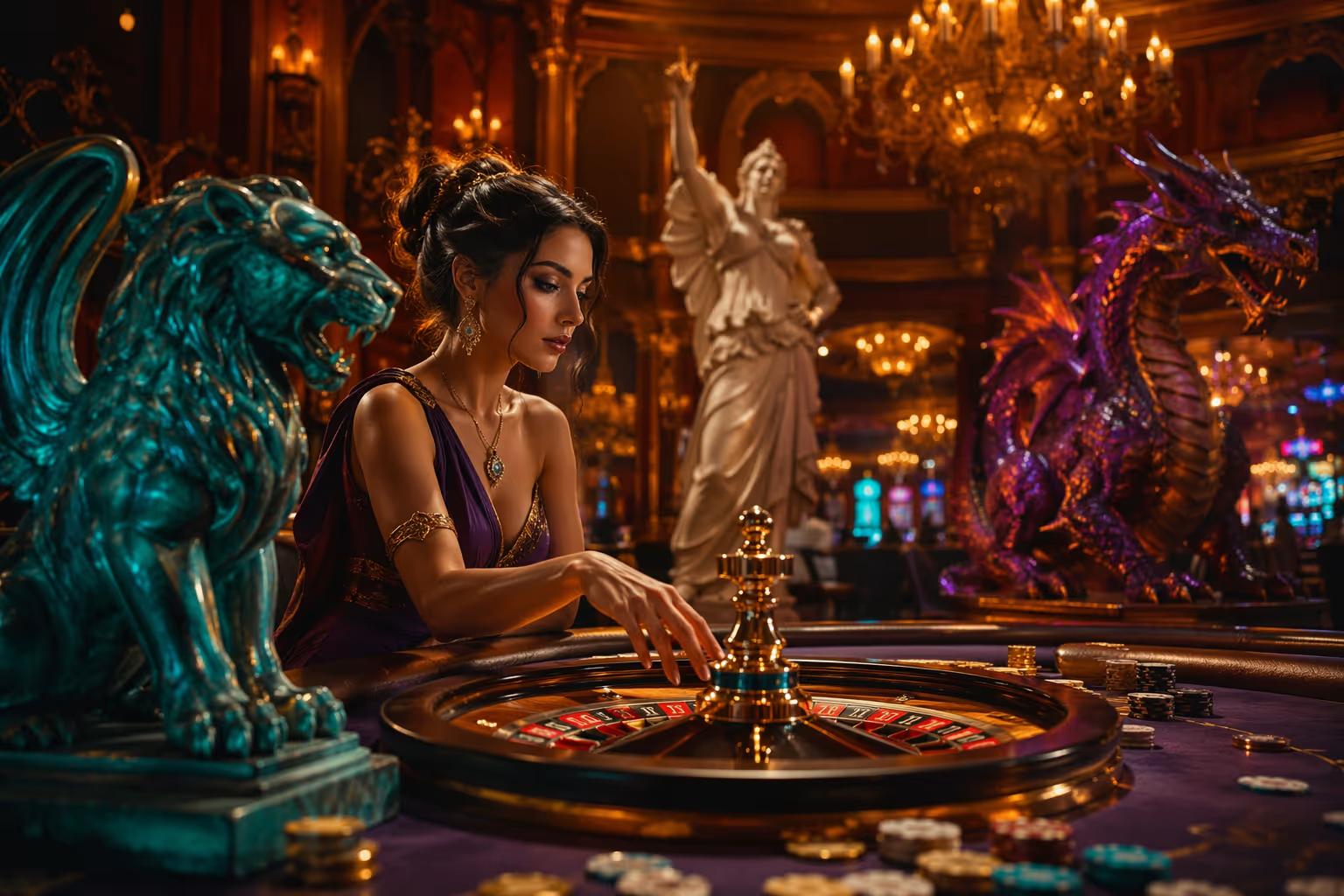
Casino superstitions are not a failure of intelligence. They are what a mind trained to find causes does when it meets a process that has none. Three well-studied effects account for almost all of them, and once you can name the effects, the rituals become interesting rather than persuasive.
Why a ritual feels like it works
The gambler's fallacy. Each spin, roll and deal is independent of the last, so a long run of reds changes nothing about the next spin. The feeling that black is now «due» is the mind applying a rule that holds for sampling without replacement — drawing cards from a shrinking deck — to a process where nothing is ever removed.
The illusion of control. Being allowed to act makes an outcome feel steerable. Choosing your own numbers, throwing the dice yourself, pressing the stop button on a slot: none of it changes a probability, and all of it increases confidence. The stop button is the clearest case, because the result is already drawn when the spin begins.
Confirmation bias. A ritual is remembered on the nights it coincided with a win and forgotten on the nights it did not. Nobody keeps a tally, so the evidence for a lucky shirt is collected by a process that only files the hits.
Add the near-miss — two jackpot symbols on the line and the third just above it — and you have the whole engine. In a random draw «almost» carries no information about the next round, but it feels like progress, which is why it is the most effective moment on a reel.
The customs that are actually documented
Numbers, and the most widespread ritual of all. In Chinese-speaking gambling culture the number 8 is auspicious because the word for it sounds like the word for wealth, and 4 is avoided because it sounds like the word for death. This is not folklore invented for casinos: the same preference moves property prices, phone numbers and licence plates, and it is why buildings in Hong Kong and Macau often skip the fourth floor. At a table it shows up as bets on 8 and players declining seat four.
Blowing on dice. The best-known gambling gesture in the world survives because craps gives the hands something to do while the stakes are being set. Rubbing a chip, tapping the felt before a card is dealt, standing up between hands — these are rituals of timing. They mark a moment rather than influence it.
Money customs. Around Lunar New Year red envelopes of cash — hongbao — circulate as gifts, and casinos in Macau and Singapore build promotions around the season. The gift is real; the luck attached to the envelope is decoration.
Anti-casino customs. Some beliefs run the other way: a widely repeated one holds that a player should not enter a casino through the main entrance when that entrance is flanked by lion or dragon statues, because the building is said to «swallow» arrivals. The belief is documented; the mechanism is not.
One superstition that is a real rule
In craps the dice must hit the back wall of the table, and a throw that does not is repeated. That looks like ritual and is in fact enforcement: it exists to stop controlled throws, the one physical technique that could in principle bias a die. The same logic explains why dice are handled with one hand and never taken below the table edge. What looks like superstition at a craps table is usually a rule about cheating.
What the arithmetic says about all of it
Nothing changes. The house edge is a property of the bet, not of the player's mood: expected loss = stake × rounds × house edge. On a single-zero roulette wheel that edge is 2.70%, on a double-zero wheel 5.26%, and no ritual moves either figure by a thousandth of a point.
What a ritual can do is change the number of rounds. A habit that keeps you at the table for another twenty spins costs twenty spins' worth of edge — on a 96% slot at €2 that is about €1.60, which is the honest price of a lucky gesture. Judged as entertainment, superstition is cheap. Judged as method, it is the most expensive thing in the room.
The part of tradition worth keeping
Table etiquette is the half of casino custom that is genuinely useful, because it is about other people rather than about luck. Place chips on the felt rather than handing them to the dealer. Do not touch the dice with two hands. Do not touch face-up cards in blackjack. Wait for the dealer's signal before placing a late bet. None of it improves your odds; all of it prevents the misunderstandings that stop a game.
And one habit no tradition supplies: open the information panel of the game before playing it. The published return, the volatility rating and the rules of every feature are in there, and three minutes of reading beats every lucky number ever chosen.
Frequently asked questions
Why is the number 8 considered lucky in casinos?
Because in Chinese the word for eight sounds like the word for wealth, while four sounds like the word for death. The preference is documented far beyond gambling — in property prices, phone numbers and buildings that skip the fourth floor — and it carries into casinos as bets on 8 and avoidance of seat four.
Does blowing on dice or rubbing a chip change anything?
No. Each roll is independent of the last, so nothing done beforehand alters a probability. In craps one physical rule does matter, but it is enforcement rather than luck: the dice must hit the back wall, which exists to prevent controlled throws.
Why do lucky rituals feel like they work?
Because of three effects working together: the gambler's fallacy, which reads patterns into independent events; the illusion of control, which makes any permitted action feel causal; and confirmation bias, which remembers the sessions that agreed with the ritual and forgets the rest.
Which casino customs are actually worth following?
The etiquette ones: place chips rather than handing them over, handle dice with one hand, do not touch face-up cards, wait for the dealer's signal. They will not change your odds, but they keep a table running — and reading the game's information panel is worth more than all the lucky numbers combined.